Prevention, Not Poison
Instead of poisons that harm our children, threaten our pets, and kill our wildlife, we encourage rodent management solutions that get at the root of the issue.
Share your story
Do you have a story of a person, pet, or wild animal that has been impacted by rodenticides? Have you seen poisons spread dangerously? Let us know.
“Cities can creatively kill rats all they want – but the rats will keep making babies. They really need…proper securing of trash.”
- Gerard Brown, Program Manager, Rodent and Vector Control, DC Health
Rodenticides Can Harm Anyone
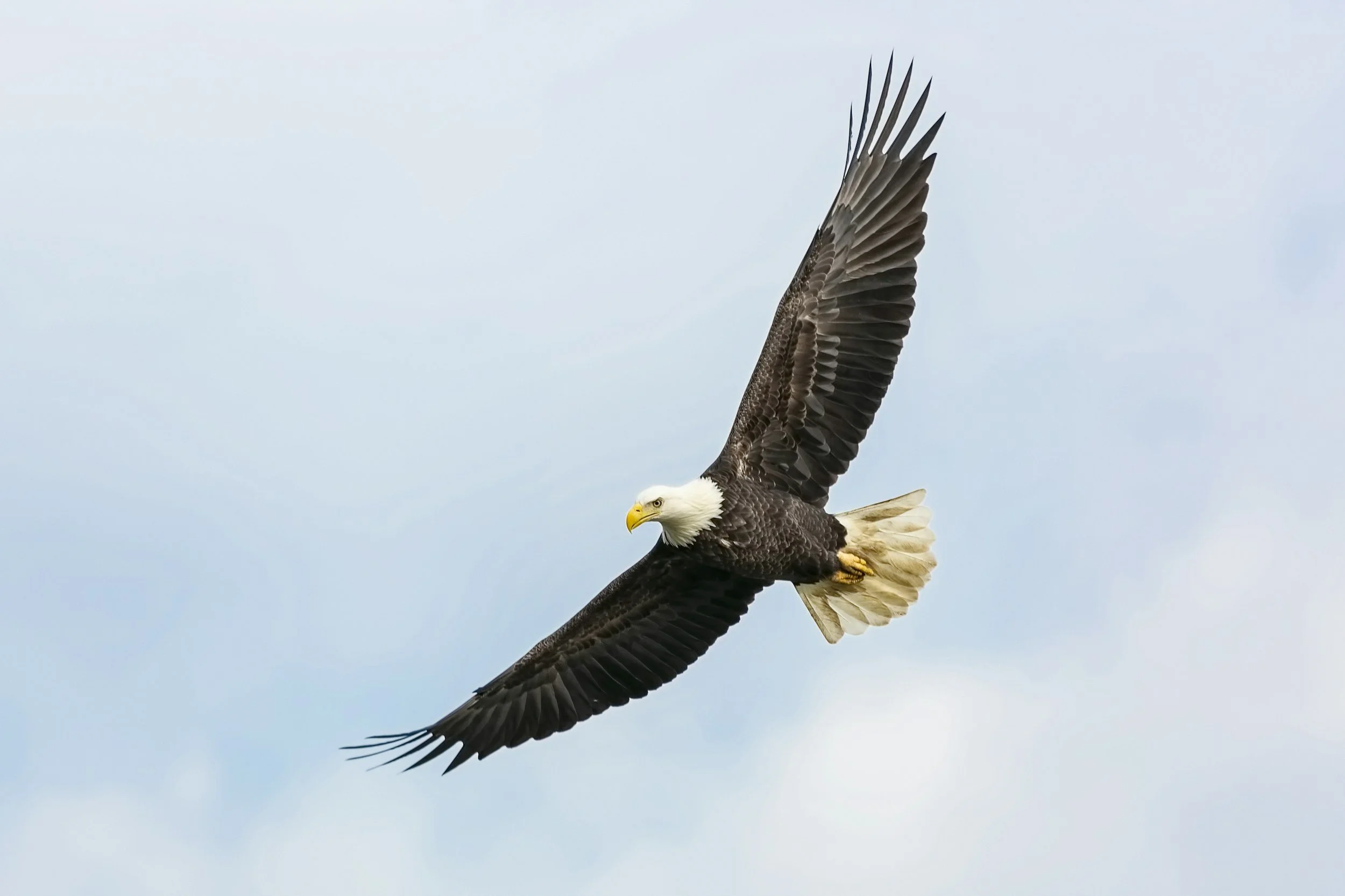
Thousands of children ingest rat poison every year. In 2023 alone, over 5,000 under the age of 5 were accidentally poisoned by rodenticides*. Dogs, cats, and wild animals can eat the poison–a veterinarian in DC reported that attempts to save a poisoned pet can cost up to $8,000. Owls, eagles, and other raptors can eat poisoned rats and die.
*If you see loose rodenticides that are not in a bait box, you can report it to the DC Department of Energy and Environment hotline at (202) 535-2600.
What can you do?
Eliminate access to food and shelter for rats → Reduce rat reproduction → Fewer rats
Keep Food Away
Toss food waste into secure compost bins:
No compost? Dispose of food in your garbage disposal
Hold off on taking trash out until pick-up day (rats are typically nocturnal)
Seal Your Trash Bin
Keep the lid closed shut —
do not let the can overflow
Call 311 to replace a broken bin
Damaged lids are free to replace
Damaged cans can be replaced for free if damaged due to rats.
Reinforce corners and lids with thick foil or metal
Spray bin/trash bags with a 10% bleach solution
Protect Your Home
Seal gaps in your roof, your walls, and your foundation
Store food in sealed containers
Trim back hedges away from
your house
Block rat trails by sprinkling cayenne pepper
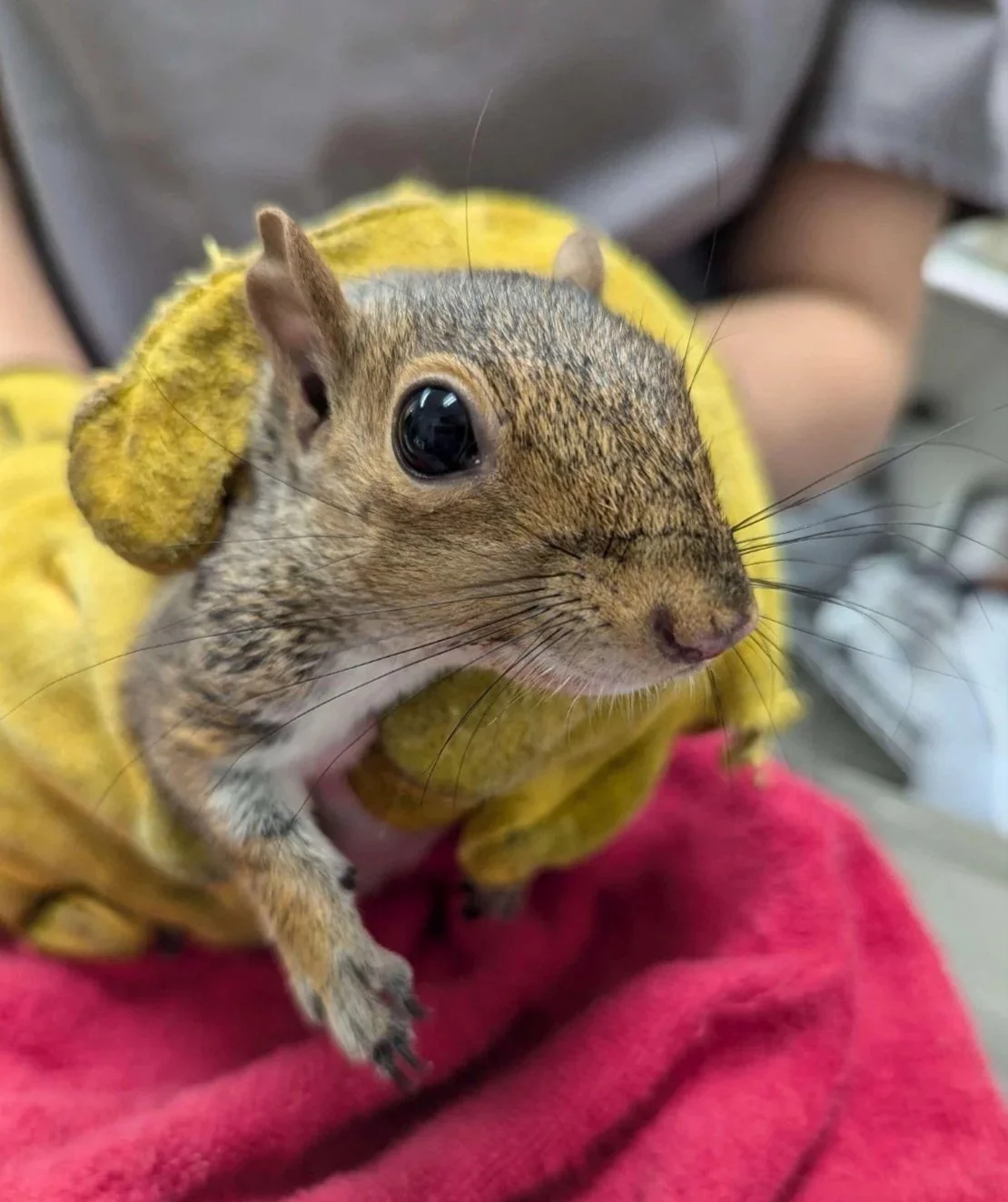
Meet Walter the Squirrel
Walter was found unresponsive on the sidewalk by a good Samaritan, who immediately brought him to City Wildlife. The veterinarian determined that Walter had ingested a large amount of rodenticides and was unlikely to survive. Even so, the team began treatment, administering pain medication to help slow the internal bleeding. By day 4 of intensive care, Walter started moving around and showing signs of life, giving rehabilitators hope. His energy continued to improve over the following weeks, and by day 21, he had miraculously pulled through. On day 22, City Wildlife approved his release, and Walter was returned home.